

Skin aging can be seen as loss of elasticity, thinning and dryness, wrinkles and rough patches. It can also make the elderly more prone to certain skin conditions and diseases like skin cancer, dry spots, age spots, bruises, and skin tags.
Moisturizing, having a healthy diet, and not smoking are some of the things that you can do to keep your skin healthy. Choosing the right skincare products is important too, because some are harsher on aging skin than others. Here are some tips on what you can do to prevent unhealthy skin and conditions.
What happens to your skin as you age?
Skin naturally changes as you age—it becomes drier, thinner, and more wrinkled. Signs of aging skin include:
- The skin can becomes more easily bruised because blood vessel walls are thinner
- Dryness, roughness and itchiness
- The skin becomes fragile, which is caused by a flattening of the area where the epidermis and the dermis meet
- The skin becomes transparent, which is caused by the thinning of outer and inner layers of skin
- There is loss of elastin and collagen, which causes looseness in the skin
- Age spots, wrinkles and creases
- Sweating less
- Susceptibility to irritation, lesions and skin infections
- Slower healing time
Some factors that cause the skin to age might include:
- Loss of elasticity, which can lead to sagging
- Obesity can cause the skin to stretch and can lead to a number of skin conditions, including dark patches, skin tags and varicose veins
- Smoking can cause more wrinkles
- Facial movements— lines on your face become more visible starting in your 30s and 40s
- How you sleep might affect where wrinkles appear
- Sun is a major factor that can speed up the aging of your skin. Ultraviolet light is harmful to the skin and sun damage can cause the skin to sag or stretch and can also slow down the skin’s healing rate
Which skin conditions are common in older age?
Aging can also make the skin prone to certain conditions such as:
- Age spots are spots caused by the sun that appear on the face, arms, back, hands and feet.
- Skin tags are flesh-colored skin growths usually found on the eyelids, neck and in folds of the body.
- Older adults tend to bruise more easily
- Older people may get dry, rough patches on their skin, a result of dehydration, dry air, smoking, tanning, stress and losing sweat and oil glands. Certain health conditions (like diabetes and kidney disease) and also some medicines can make dry skin itchy
- Skin cancer is usually caused by sun exposure. Two types of skin cancer, basal cell carcinoma and squamous cell carcinoma — are slow-growing and unlikely to spread to other parts of the body. But a third type of skin cancer, called melanoma, is a dangerous skin cancer that can spread to other organs and requires serious treatment
How to keep your skin healthy despite aging
Here are some tips on how to keep your skin healthy as you age:
- Wash your skin gently and use warm water instead of hot water, as hot water strips the skin’s natural oils, and a mild cleanser
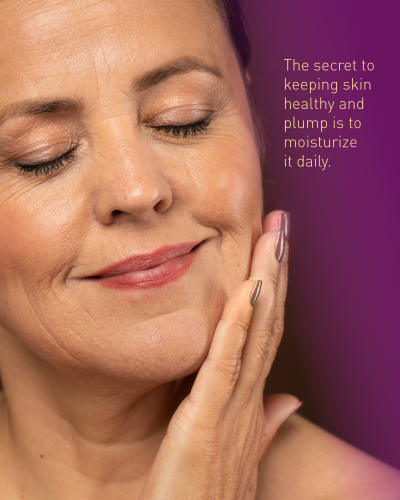
- Keep your skin moist. Try fragrance-free moisturizer to keep your skin from becoming dry and itchy
- Harsh soap, perfume, and bath oils are drying to the skin, so try to limit their use
- Protect yourself from the sun. Stay out of the sun whenever possible, especially from 10 am to 4 pm when the sun is the strongest. Be sure to apply broad-spectrum sunscreen (with SPF 30 or higher) every two hours or more often. Avoid sunlamps and tanning beds and wear a wide-brimmed hat and sunglasses when you’re outside.
- Eat well. Make sure you’re maintaining a healthy diet with enough vitamins and nutrients. It’s also very important to drink water often so your skin stays hydrated.
- Avoid smoking, which can damage your skin by reducing blood flow and harming elastin and collagen.
- Use a humidifier to keep indoor humidity between 45 and 60 percent. Measure the humidity with a hydrometer.
- Wear gloves while doing housework to avoid skin exposure to harmful chemicals.
How to choose skincare products for aging skin
Keeping your skin healthy also involves choosing and using the right products. Sunscreen and moisturizer are your two best anti-aging essentials. Select a water-resistant, broad-spectrum sunscreen with an SPF of 30 or higher and use it daily.
Regularly applying sunscreen and anti-aging moisturizer, sticking to a healthy diet, staying hydrated, sticking to a gentle skin cleansing routine, not smoking, and finding the right products are all ways you can better care for your skin.
Bringing hope and healing to your skin
Moisturizing your skin is important in the senior and elderly years because the skin starts to become thin and dry as one ages. Skin Care for Hope helps replenish the skin barrier naturally and does not contain parabens and sulfates.
For Daily Use

Regular baths for seniors require moisturizing skin products. Use our creamy Skin Care for Hope Moisturizing Oatmeal Soap to give a refreshed feeling after bathing with the moisturizing effects of oats. This is best used with our sulfate free Skin Care for Hope Mild Shampoo which does not over dry the scalp. After, apply our Skin Care for Hope Scalp, Skin and Nail Oil, 100% virgin coconut oil that can easily be massaged and absorbed into the skin. Gentle geriatric massage with virgin coconut oil can also promote circulation and reduce stress benefiting our loved ones.
For Dry Skin

For seniors with chronic illness such as diabetes and kidney disease, itchy and dry skin is also common. Moisturize your skin daily with Skin Care for Hope Face and Body Lotion enriched with aloe vera, sunflower oil, and calendula. For cleansing without over drying, use Skin Care for Hope Mild Body Wash which leaves your skin feeling soft and moisturized. You can also use the Mild Body Wash conveniently for a “no-rinse bed bath” for elderlies who are in bed. Put one tablespoon (15 ml) in a basin of water and wet a soft washcloth to cleanse the face and body, then wipe off with a wet washcloth.
For Sensitive Skin
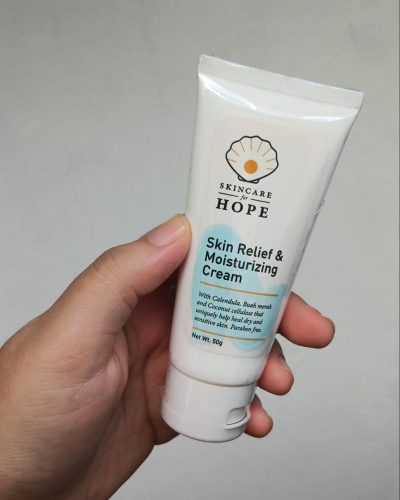
Xerotic dermatitis or very dry skin is also common among seniors. Use Skin Care for Hope Skin Relief and Moisturizing Cream made from nata de coco. Our local Philippine nata de coco dessert, is now made into a cream enriched with the antifungal and antibacterial properties of monolaurin. It is blended with calendula oil that helps calm itchy skin and buah merah oil rich in cryptoxanthin antioxidants. Apply this twice daily on irritated skin to help heal, soothe and moisturize. It is steroid-free and paraben-free.
For more information on skincare tips, advice, as well as gentle and moisturizing skincare products for your self-care journey, follow @SkinCareforHope on Facebook and Instagram.